Source heat resistant ppr concealed valve for Home, Industry, Water
Find 30 options for heat resistant ppr concealed valve designed for household, industrial, and water usage applications. Buyers can compare specifications including size, pressure ratings, and connection forms from verified suppliers in China.
Key considerations
Products List




Comprehensive Sourcing Guide
Strategic Sourcing Guide for Heat Resistant PPR Concealed Valves
Understanding Product Attributes and Technical Specifications
When sourcing heat resistant PPR concealed valves, buyers must first distinguish between the material composition and the specific functional design required for the application. The core material for these components is Polypropylene Random Copolymer (PPR), a thermoplastic polymer known for its durability in water conveyance systems. Based on observed market data, these valves are engineered to operate under specific pressure conditions, with nominal pressure ratings observed in the range of PN1.0 to 32.0MPa. This wide variance indicates that procurement strategies must be tailored to the specific pressure requirements of the project, as a residential system will have vastly different stress requirements compared to an industrial water treatment facility.
The physical dimensions of the valve are a critical specification. Sourcing data indicates available sizes ranging from 20mm to 63mm, with specific model numbers such as HDPE Valve, B22, and B23 appearing in the market. While the term "HDPE" is sometimes used in listings, the primary material specification for the valve body in this context is PPR. The connection form is predominantly the hot melt connection, which ensures a seamless, leak-proof joint when fused with PPR piping systems. This method is distinct from threaded or flanged connections, requiring specialized welding equipment during installation.
The structural design of these valves varies significantly. Some listings describe a "Flexible Ball Valve" structure, while others specify a "Through Way Globe Valve" or "Eccentric" type. The channel configuration is typically a straight-through type, designed to minimize flow resistance. The actuation mechanism can be manual or pneumatic, depending on whether the valve is intended for a simple household shut-off or an automated industrial process. For concealed applications, the valve body is often designed to be hidden behind walls or ceilings, necessitating a robust sealing form. Observed sealing forms include gland packings, which are common in globe valve structures, ensuring tight closure under pressure.
Compliance, Certification, and Standard Verification
Verifying compliance with national and international standards is a non-negotiable step in the procurement of PPR concealed valves. The supply chain data highlights several standards that buyers should look for, including GB (Guobiao) and DIN (Deutsches Institut für Normung). Specific standard references such as GB/T12459-2005 are noted in the market, which typically governs pipe fittings and valves. However, the presence of a standard code does not guarantee that every unit in a batch meets that standard; it is a reference point for the manufacturer's design intent.
Certification plays a pivotal role in validating product quality and safety. The market data confirms that ISO and CE certifications are available for these products. These certifications indicate that the manufacturer has undergone third-party audits for quality management systems (ISO) and meets European health, safety, and environmental protection standards (CE). Buyers must request valid, current certificates from the supplier rather than accepting a generic claim. The absence of these certifications should trigger a deeper investigation into the manufacturing process, as they are essential for projects in regulated markets.
Temperature resistance is a primary concern for "heat resistant" valves. While the general observation notes "Ordinary Temperature" and "Normal Temperature" for media, the specific requirement for heat resistance implies a need for valves capable of withstanding elevated temperatures without deformation. The material PPR generally handles high temperatures better than other plastics, but the specific limit must be verified against the project's maximum operating temperature. Buyers should verify that the valve is rated for the specific temperature of the media it will convey, which is often hot water in domestic or industrial heating systems. The pressure rating of PN1.0-32.0MPa must also be cross-referenced with the temperature, as the allowable pressure for PPR decreases as the temperature increases.
Cost Drivers and Pricing Dynamics
The pricing of PPR concealed valves is influenced by a complex interplay of factors, including material costs, manufacturing complexity, and order volume. The observed price range in the market is extremely broad, spanning from $0.02 to $200 per unit. This variance is not indicative of a single product type but rather reflects the diversity of the market, ranging from simple, small-diameter components to large, high-pressure industrial assemblies. The lower end of the price spectrum likely corresponds to basic, small-size valves with minimal customization, while the higher end reflects complex designs, larger sizes, or valves with specialized features like pneumatic actuators.
Order Volume (MOQ) is a significant driver of unit cost. The observed Minimum Order Quantity ranges from 1 to 10,000 units. Suppliers often offer tiered pricing structures where the unit cost decreases as the order volume increases. For buyers requiring large quantities for industrial projects, negotiating based on volume can yield substantial savings. Conversely, buyers with small requirements may face higher per-unit costs but can often find suppliers willing to accommodate low MOQs, particularly if the product is a standard SKU.
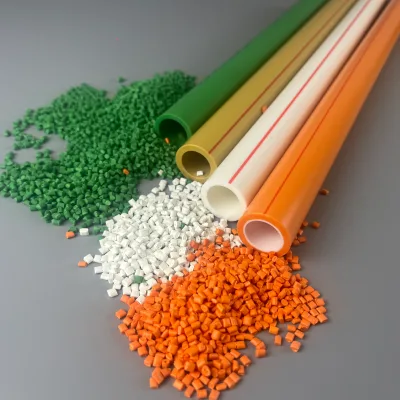
Customization is another major cost factor. The market data indicates that OEM (Original Equipment Manufacturer) and ODM (Original Design Manufacturer) support are available. Customization can include branding, specific color schemes (observed colors include black, grey, white, blue, green, and brown), and tailored dimensions. While customization adds value and allows for brand integration, it inevitably increases the production cost and may extend the lead time. Buyers must weigh the benefits of a customized product against the budget constraints of the project. Additionally, the origin of the product, with major manufacturing hubs in Hangzhou and Huangyan, Taizhou, Zhejiang, can influence logistics costs and overall pricing, as shipping from these regions to international markets involves specific freight considerations.
Typical Applications and Usage Scenarios
PPR concealed valves are versatile components used across a spectrum of applications, from residential to heavy industrial settings. The primary application is in water conveyance systems, where the valve's ability to handle hot and cold water is essential. In household usage, these valves are often installed in concealed spaces behind bathroom or kitchen walls, connecting to PPR piping for domestic hot and cold water supply. The "Concealed Valve" designation suggests a design optimized for aesthetic integration, where the valve body is hidden, and only the handle or actuator is accessible.
Industrial usage represents another significant segment. In water industrial usage, such as water treatment plants or large-scale heating systems, the valves must withstand higher pressures and more frequent operation. The observed application categories include "Water Industrial Usage" and "Industrial Usage," indicating that these valves are suitable for environments with continuous flow and demanding conditions. The specific function of the valve, such as being a bypass valve, atmospheric valve, relief valve, or blow-down valve, dictates its role in the system. For instance, a relief valve is critical for safety in high-pressure systems, while a bypass valve allows for flow diversion during maintenance.
The temperature control aspect is also a key application area. Valves used for temperature control must maintain precise sealing and structural integrity under thermal cycling. The "Temperature of Media" is noted as "Normal Temperature" in some listings, but for heat-resistant applications, the valve must be capable of handling the specific thermal loads of the system. The "Usage" attribute explicitly mentions "Temperature Control," highlighting the valve's role in regulating flow based on thermal requirements. Whether in a small residential heating loop or a large industrial heat exchanger, the valve's performance is critical to the efficiency and safety of the system.
Supplier Evaluation and Origin Verification
Evaluating suppliers requires a thorough examination of their capabilities, location, and track record. The supply chain data identifies specific origins, such as Hangzhou, China, and Huangyan, Taizhou, Zhejiang. These regions are known for their manufacturing clusters in the plumbing and valve industry. Buyers should verify the specific factory location to ensure it aligns with their logistics strategy and to assess the local infrastructure's reliability. The port of export, noted as Shanghai or Ningbo, is a critical logistical node that affects shipping times and costs.
Supplier capabilities extend beyond location to include their ability to provide customization and support. The availability of OEM and ODM services suggests that suppliers are flexible and can adapt to specific buyer requirements. However, buyers should verify the extent of this support. Does the supplier offer design assistance, or do they simply apply a buyer's logo to a standard product? The "Customization" attribute being "Available" is a positive indicator, but the depth of customization should be clarified during the negotiation phase.
Quality assurance is another critical evaluation metric. Buyers should request evidence of the supplier's quality control processes, including in-house testing and third-party inspections. The presence of ISO and CE certifications is a good starting point, but buyers should also inquire about the supplier's internal testing protocols for pressure, temperature, and flow rates. The "Warranty" period, observed as 1 year in the market, is a standard metric, but buyers should negotiate for extended warranties if the application demands higher reliability. The "Delivery Time" of 5-15 days is a common lead time, but this can vary based on order volume and customization requirements. Buyers should confirm the lead time for their specific order to avoid project delays.
Quality Control and Long-Term Procurement Considerations
Ensuring the quality of PPR concealed valves requires a robust quality control (QC) strategy. Buyers should implement a multi-stage QC process, including pre-production sample approval, in-process inspection, and pre-shipment inspection. The material specification of PPR must be verified to ensure it meets the required standards for heat resistance and pressure rating. Visual inspections should check for defects in the valve body, such as cracks, voids, or improper molding. Dimensional checks are essential to ensure the valve fits the piping system, particularly for concealed installations where rework is difficult and costly.
Long-term procurement considerations involve building a sustainable relationship with suppliers. Buyers should focus on suppliers who demonstrate a commitment to continuous improvement and innovation. The ability to adapt to changing market conditions, such as fluctuations in raw material prices or changes in regulatory standards, is a key indicator of a reliable supplier. The "Customized Support" for OEM and ODM suggests that suppliers are willing to grow with their clients, offering solutions that evolve with the buyer's needs.
Packaging is another aspect of long-term procurement that affects product integrity. The observed packaging methods include "Plastic Bag+Carton" and "Packed in Polybag." Proper packaging is essential to protect the valves during transit, especially for concealed valves that may have delicate components. Buyers should ensure that the packaging is robust enough to prevent damage during shipping and storage. The "Lateral" attribute of 90°Tee indicates specific connection configurations that must be preserved during handling.
Finally, buyers should consider the total cost of ownership, not just the initial purchase price. This includes installation costs, maintenance requirements, and the potential cost of replacement. A valve with a higher initial cost but a longer lifespan and lower maintenance requirement may be more economical in the long run. The "Warranty" period is a key factor in this calculation, as it provides a safety net against premature failure. By focusing on quality, reliability, and supplier partnership, buyers can ensure a successful procurement of heat resistant PPR concealed valves that meet their specific project needs.
FAQs
What materials are used for heat resistant PPR concealed valves?
The primary material used is Polypropylene Random Copolymer (PPR), which offers durability for water conveyance. Some listings also mention HDPE, but PPR is the standard for heat resistance in these concealed valve applications.
Which connection forms are available for these valves?
The predominant connection form is the hot melt connection, ensuring a seamless joint with PPR piping. This method is distinct from threaded or flanged options and requires specialized welding equipment during installation.
Can these valves operate under high pressure conditions?
Yes, the nominal pressure ratings observed range from PN1.0 to 32.0MPa. Buyers must verify that the specific pressure rating matches their project requirements, as allowable pressure decreases as temperature increases.
What certifications should I look for in these products?
ISO and CE certifications are available and indicate compliance with quality management and safety standards. Buyers should request valid, current certificates from the supplier rather than accepting generic claims to ensure product safety.
How long is the typical delivery time for these valves?
The standard delivery time ranges from 5 to 15 days. This lead time can vary based on order volume and customization requirements, so confirming the specific timeline for your order is essential.
Which standards govern the manufacturing of these valves?
Products are often manufactured according to GB and DIN standards, with specific references like GB/T12459-2005. These standards govern pipe fittings and valves, serving as a reference point for the manufacturer's design intent.